
During my 15-year stint at Progress, I often wondered whether the Great Train Robbers or I had served more time.
In truth, my run as director of Progress – interrupted by two spells as a Special Adviser – was both professionally rewarding and personally fulfilling.
This was a time of both triumph and failure for the Labour Party. I took the helm in September 2001, shortly after New Labour’s second historic landslide win, and left in November 2014, six months before one of the party’s worst postwar defeats.
Progress was a small team with big achievements to its name. We established the annual conference; turned the quarterly magazine to 10 issues a year; launched its first-ever website; grew Progress’ presence at Labour party conference; published the Purple Book, and re-established the Progress political weekend.
My first full year as director also saw the appointment of Progress’ first political leadership team, with David Lammy as chair, supported by Tony Robinson and Ruth Turner as vice-chairs. David served for three years before Stephen Twigg became chair in 2005, Andrew Adonis in 2011 and John Woodcock in 2014.
All of these achievements were, of course, built on what came before. Progress’ establishment in 1996 was thanks to the unique skills of Derek Draper – and the steadfast support and encouragement of Peter Mandelson and Roger Liddle, both of whom remained among Progress’ very best friends long after Derek’s departure. Without Derek, and the generosity of David Sainsbury, it’s difficult to see that Progress would ever have come into being. Together with the magazine’s first editors – Kate Dixon and Jo Tanner – Derek put Progress squarely on the political map.
It would be iniquitous to single out any of the staff I worked with at Progress for special mention, although I was lucky to have in Jennifer Gerber, Jessica Asato and Richard Angell three deputy directors – each of whom also served for a period as director – who embodied the culture of the organisation: hard-working, fiercely loyal and imbued with the good humour which helped keep the show on the road.
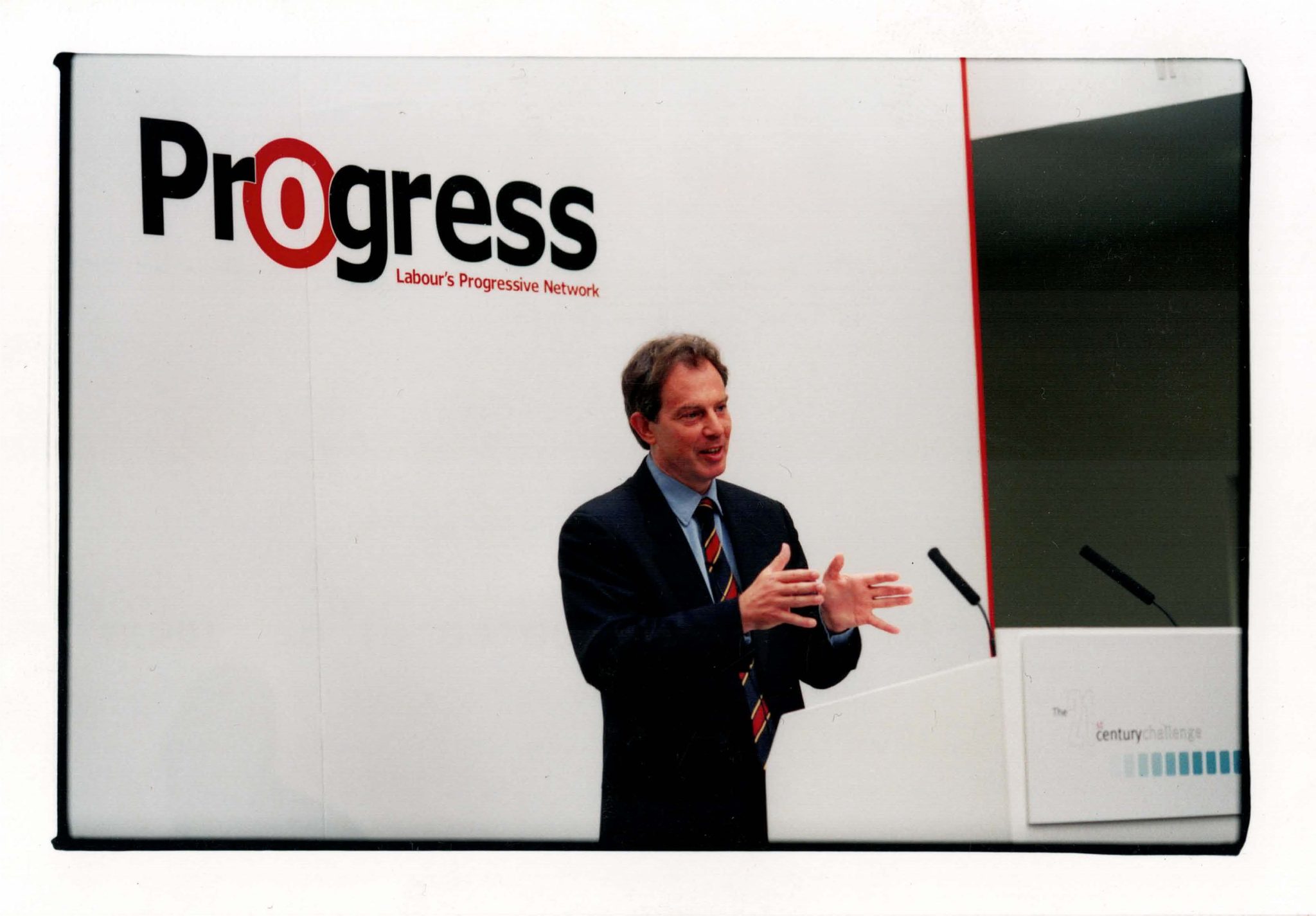
There were plenty of highlights: Tony Blair’s speeches to Progress events, both during and after his premiership, were masterclasses in the art of political communication and leadership. Progress members proved increasingly enthusiastic participants in our events and activities. And working at Progress provided the opportunity to spot rising stars. Even at seventeen when he attended his first Progress event, it wasn’t hard to guess that Wes Streeting was destined for higher things.
My first love was always Progress magazine – the “inflight magazine of Blair Force One”, as one journalist cheekily described it – to which I was initially recruited as an editorial assistant.
Yes, there were tough days. Especially after 2010, those who disliked Progress – backed by trade union leaders who should have had better things to do with their time – established a conspiratorial narrative about the organisation (“a party within a party”) which was nothing more than a projection of the hard-left’s own viciously sectarian way of doing politics. But none of this ultimately derailed the work of Progress’ dedicated staff.
Progress’ organising principle was its belief in the strength of the political and intellectual position of New Labour. Critics might have seen this as careerism but – to paraphrase Blair himself – it was worse than they thought: those of us at Progress truly did believe in New Labour.
Like the governments of Tony Blair and Gordon Brown which we steadfastly supported, Progress didn’t always get it right. But we never questioned the government’s good intentions. We never doubted or misinterpreted its mandate: why and how the British people had placed their faith in it. And we never failed to acknowledge that – amid the inevitable mistakes and missteps of 13 years in office – its achievements were many and real. Schools and the NHS rebuilt; sustained economic prosperity and stability; historic reductions in child poverty and homelessness; Britain respected and engaged in Europe; and countless other policies – from civil partnerships to peace in Northern Ireland – which transformed the country forever. Even the most difficult period of Labour’s time in power – the financial crisis and its aftermath – was tempered by the knowledge that, in Gordon Brown, Labour had exactly the right man at the right time with his hand on the economic tiller.
The period after 2010 saw Progress continue to ramp up its activity and wrack up its achievements. However, it would be dishonest to suggest that relations between the organisation and the new Miliband leadership were close. We tried to act as a critical friend, but we also had to recognise that it was embarking on a fundamentally different political project from that which Progress had supported during the Blair-Brown years. We believed New Labour needed to be renewed, not trashed and junked – especially when nothing substantive to replace it was articulated or developed.
I was perhaps most proud of Progress after I had left. From the outset, it recognised that Jeremy Corbyn’s leadership wasn’t simply destined to be a political disaster, but, more importantly, a moral one, too. It stood up against the poison of antisemitism which infected the party and it stood alongside Jewish members and moderates who fought it. Progress knew that Corbynism was much more than a further abandonment of the politics of New Labour. It was instead a radical departure from the broader Labour tradition; a tradition in which Progress, as we mark their 30th year, have surely earned a place.
Next week, we’ll be marking this special occasion with a dinner and celebration in Central London. With stalwart friends and supporters including Chancellor of the Exchequer Rachel Reeves, Health Secretary Wes Streeting and Science, Innovation and Tech Secretary Liz Kendall, Progress’ 30th Birthday will be a party that you don’t want to miss.
Tickets are selling out fast, so secure your place now!