

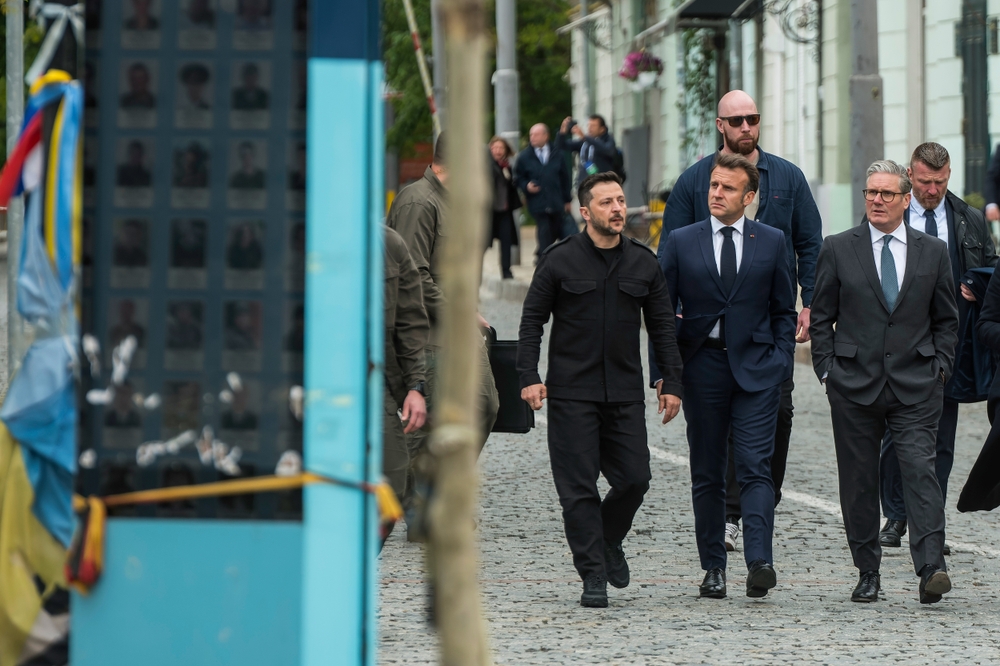
Keir Starmer deserves eternal praise for rescuing the Labour Party from the moral bankruptcy of the Corbyn years, winning a landslide victory less than two years ago, and for winning allies and increasing our international credibility. His stalwart support for Ukraine has helped that country stand up to the Putin dictatorship.
In a grave new world such clear-headed leadership is vital to our managing rapid geopolitical change and increased risks from enemies such as Russia.
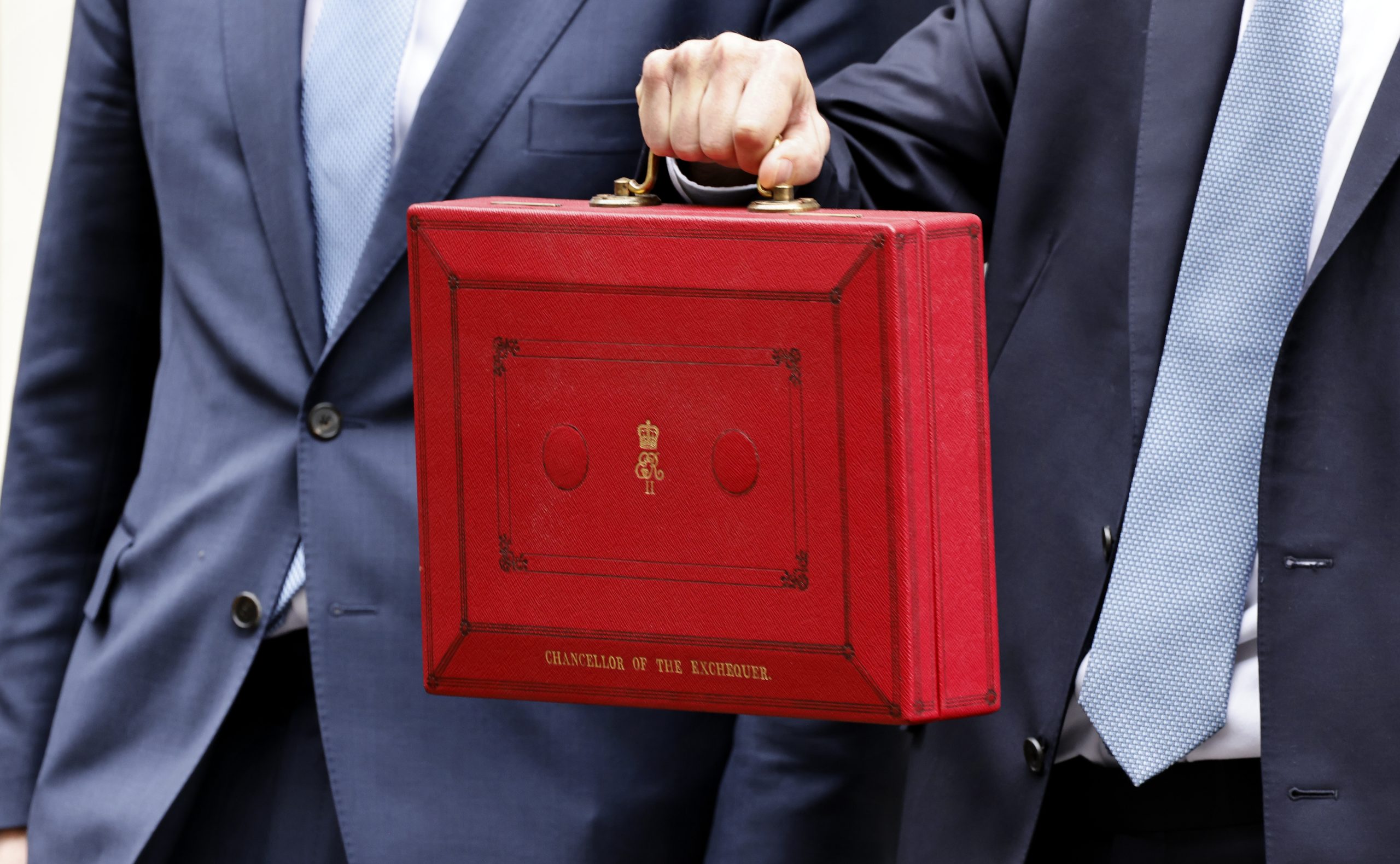
However, Starmer wasn’t able to find enough extra funding for the Defence Investment Plan (DIP) as John Healey rightly wanted and which is still in limbo. It’s not too late to remedy this deficiency.
Keir Starmer’s final appearance on the international stage will be at the NATO summit in Ankara on 7/8 July. NATO members will outline how they intend to increase their defence spending to 3.5% of GDP by 2035.
It would severely damage our credibility and reduce our ability to leverage better relations with our allies if he goes there with a damp squib of a DIP. Our leadership role in NATO and improving relations with the EU gives us strength both at home and abroad. That needs to be nurtured.
Urgent action to find the funds from cuts in other departments, in borrowing that doesn’t spook external investors, as well as through the “bomb bank,” the Canadian-led Defence, Security and Resilience Bank (DSRB), is needed.
Alex Baker MP has been working on this over the last two years and presents a good case for overcoming Treasury opposition and embracing the bomb bank. Canadian Prime Minister Mark Carney and allies will form the DSRB at the NATO summit.
Baker says we should be part of this and argues: “Some have portrayed the DSRB as little more than an SME finance initiative. That misses the point. The Bank may begin with SMEs, but its purpose is to strengthen the whole defence industrial ecosystem, from start-ups and specialist manufacturers to prime contractors and governments. Its mandate spans research and development, industrial expansion, credit guarantees, private capital mobilisation and sovereign lending. In short, it is designed to turn political commitments into industrial output.”
Starmer and the new leader should ignore siren voices on the hard left who think this is all about war-mongering and war-driven austerity. Trite slogans about welfare versus warfare ignore the need to reform public services for the sake of their users and taxpayers. The government can emulate the spirit of the post-war Labour Government that founded the two key pillars of our personal and national security – the NHS and NATO.
Jeremy Corbyn’s former aide, James Schneider delivers an apparent slam-dunk case that there’s little to see here because “European NATO states already spend far more than Russia: $559bn in 2025 against Russia’s $190bn.” This striking figure comes from the respected Stockholm International Peace Research Institute.
The figures could be nearer if you apply purchasing parity power – the bang for the buck in real terms – but it isn’t surprising that the spending of 30 countries exceeds that of Russia whose might is also increased by its alliances with China, North Korea, and Iran. In any case, figures calibrate capacity but not intent.
We have coasted on national security for decades and our enemies have become stronger and more brazen. Russia is on the rampage and its threats to recreate a new Russian empire in parts of Europe are not idle. Nor is Russia’s determination to weaken the collective defence provided by NATO, the most credible stop the war coalition we have.
We have also seen an increasing number of acts of assassination and arson, alongside credible threats to turn cargo planes into firebombs that could crash into cities or cut our subsea data cables and energy pipelines.
We could wake up one day to find that we cannot access our money in banks, use the internet, rely on the electricity grid or the health service. In the event of an attack on NATO, thought to be likely in 2030 if not before perhaps, we would have to find a lot more than 3.5% of our GDP.
The probable Prime Minister-designate, Andy Burnham seems to have a good understanding of these defence deficiencies and that will be a major job for him. But the diary requires immediate action to put flesh on the bones of the ambitious and visionary Strategic Defence review helmed by George Robertson. It now falls to Keir Starmer, before the NATO summit, to implement one more vital and lasting achievement for the sake of Labour’s credibility and the country’s security.
Gary is writing in a personal capacity not reflecting the view of Labour Friends of NATO. For more on defence funding see Protection Racket: Our Pension Funds Should Not Refuse to Fund our National Security