

With the arrival of Andy Burnham, the battle for the political heart of this country is back on – only he can take Reform on and win. That the ex-mayor of Manchester’s story and he’s selling it well.
The prime minister-elect has also made it abundantly clear, especially in his speech last week, that he views the rise of populism as just one aspect of a broader and more terrifying collapse in economic and political disengagement if whole swathes of provincial England. Reversing this trend is evidently a top tier priority.
As such, it was heartening and timely to see education reform at the centre of this mission. He was right to identify various different strands of vocational and careers-based education as central to this work (though he must be exceptionally careful not to throw away huge advances in academic outcomes from the last 30-plus years of education reform).
Rebalancing the focus of schools and the wider education sector away from purely academic routes is evidently the correct strategy both economically and politically. It is what white working class voters want to hear.
And it was a timely intervention too: Burnham’s speech fell on precisely the same day as the publication of the report of the Independent Inquiry into White Working Class Educational Outcomes, which I helped to write and which got nearly as much attention as the speech itself.
There was much overlap between Burnham’s remarks and the inquiry’s findings. But if anything, for all his reforming zeal, the next pm drastically understated both the scale of the challenge and the scale of the reforms needed.
Our year-long inquiry, which ranged across the country, deploying many different research techniques, found a deeply worrying situation. Across every single metric white working class children underperform every other main demographic group. They are much less likely to arrive school ready, they are more likely by some distance to struggle with reading at primary, they are twice as likely to be persistently absent and they are twice as likely to do poorly in the core subjects at GCSE.
Perhaps just as worrying as the data, we found communities who struggled to see the point of school and who, while just as aspirational as other parents, understood success in ways to which the school system could not respond.
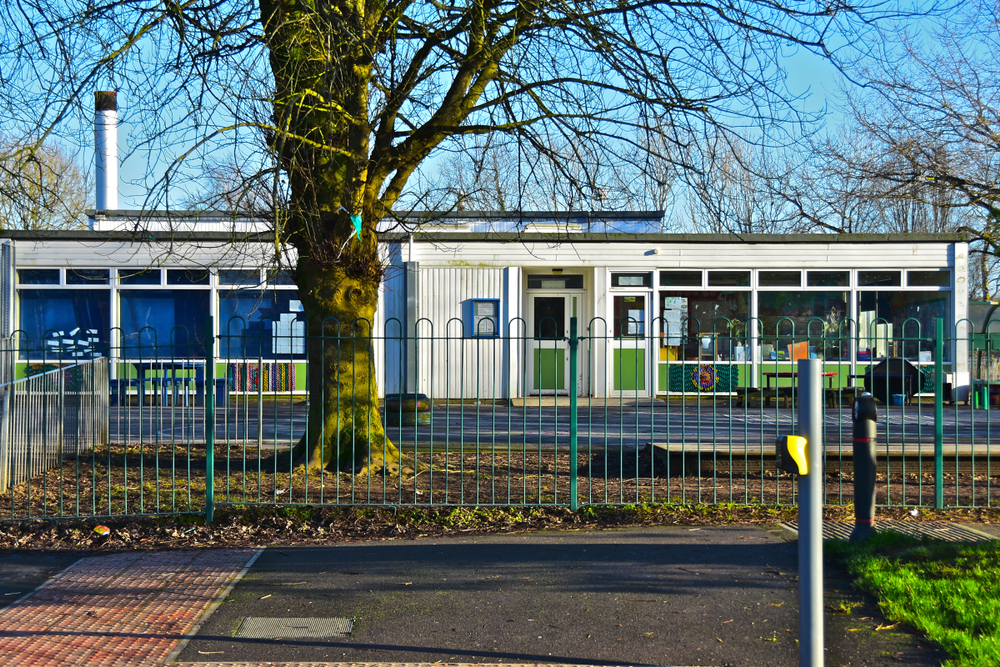
Time and again, while talking to people in places like Hartlepool, Stoke, Plymouth and, among others, Great Yarmouth, we found communities who had no sense of schools as civic anchors who would serve white working class people like them.
This is the educational equivalent, of course, of the Reform tsunami earlier this year. Only this is worse because schools are dealing not just with the voters of today but of tomorrow too.
And so, yes, while it was heartening to see Burnham identify some of the symptoms and nod enthusiastically towards some of the policy treatments, he appears to be underestimate the extent to which white working class failure is eating away at the civic body of this country.
Our inquiry called for a generational effort to put this right. While driving up the role and status of vocational options is important, we would also urge Burnham to prioritise:
There is so much more that is needed even than this list, but this is a good menu of starter options if Burnham wants to get his teeth into this most crunchy of policy areas. It’s a mammoth task.
But we would do well to remember our history, rather than be daunted.
Some thirty years ago reversing the drastically poor educational outcomes of Black Caribbean kids and those who had English as an additional language (EAL) was put at the centre of the education system’s mission.
Many said it could not be done. But with decades of hard work, political commitment and educational focus, it was. EAL young people are often the highest performers in the system. This change in fortunes represents one of the greatest public policy achievements of the post-Cold War era in this country.
If we can do this for EAL children we can surely also do it for white working class kids. And in the process reengage their families with civic society.