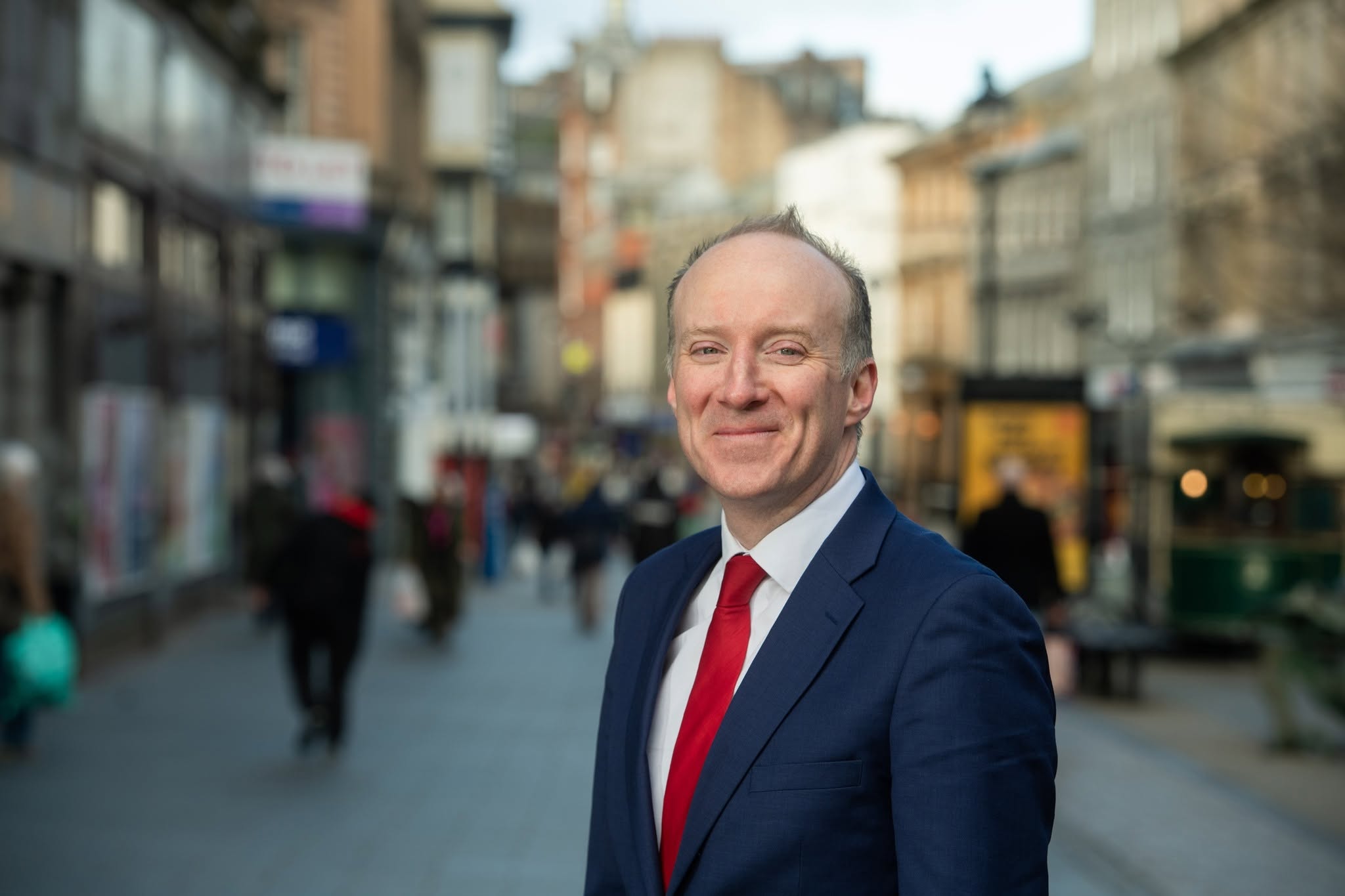


Andy Burnham is the fifth occupant of Downing Street in ten years to be handed the keys by his party, rather than by the voters. The keys come with the red boxes, the flat above the shop, the podium with the crest on it. Three weeks in, the ambition is not in doubt, but the maths doesn’t add up.
On the steps of Downing Street he promised a ten-year plan for Britain before the year is out: a state that prevents rather than patches, change on a scale he compares to nothing in forty years, care free at the point of use, homes built by councils again. Two weeks later, asked whether the country would get a say, he ruled out an early election: “I will honour that manifesto.” The 2024 manifesto? The one written by his predecessor, which locks the three biggest taxes for this parliament and contains not one page of his plan? Those two commitments cannot stand in the same cabinet room.
In the Prosperity 2030 report we worked through the kind of spending commitments that would make just a start on many of the same issues Burnham has identified and concluded that an additional £65 billion will be needed. Add NATO commitments on top and it is more like £100 billion. That kind of money can only be raised with fundamental reforms of both tax and welfare that are not in the 2024 manifesto.
The situation is serious now, and it only gets worse. Debt interest as the third-largest budget line, before a single reform. The Strait of Hormuz has been effectively shut since February, the largest energy disruption ever recorded, and now with buffers running out. Forecasters are expecting one of the strongest El Niños on record to peak over this winter, with food markets already moving. Both of those bode ill for inflation and interest rates from early 2027 through 2028. On top of that, Europe is rearming against Russia while the hard right leads in German state and French national polls and Washington remains transactional. None of these wait for 2029 – they all arrive in the remainder of this parliament.
The seasoned answer is that a storm is precisely when you do not call an election: crises need governing, not campaigning, and nobody wants a trek to the polling station in the dark, two years after the last one. Burnham has better reason than most to feel this. He sat in the Cabinet in 2007 and watched a new prime minister let election fever build, blink at one bad poll, and forfeit his authority for good. But the lesson of that autumn is not that asking is fatal, it is that dithering is fatal. Governing a storm without a mandate means every hard measure will be litigated as illegitimate, by his own party as much as his opponents, for three contested years.
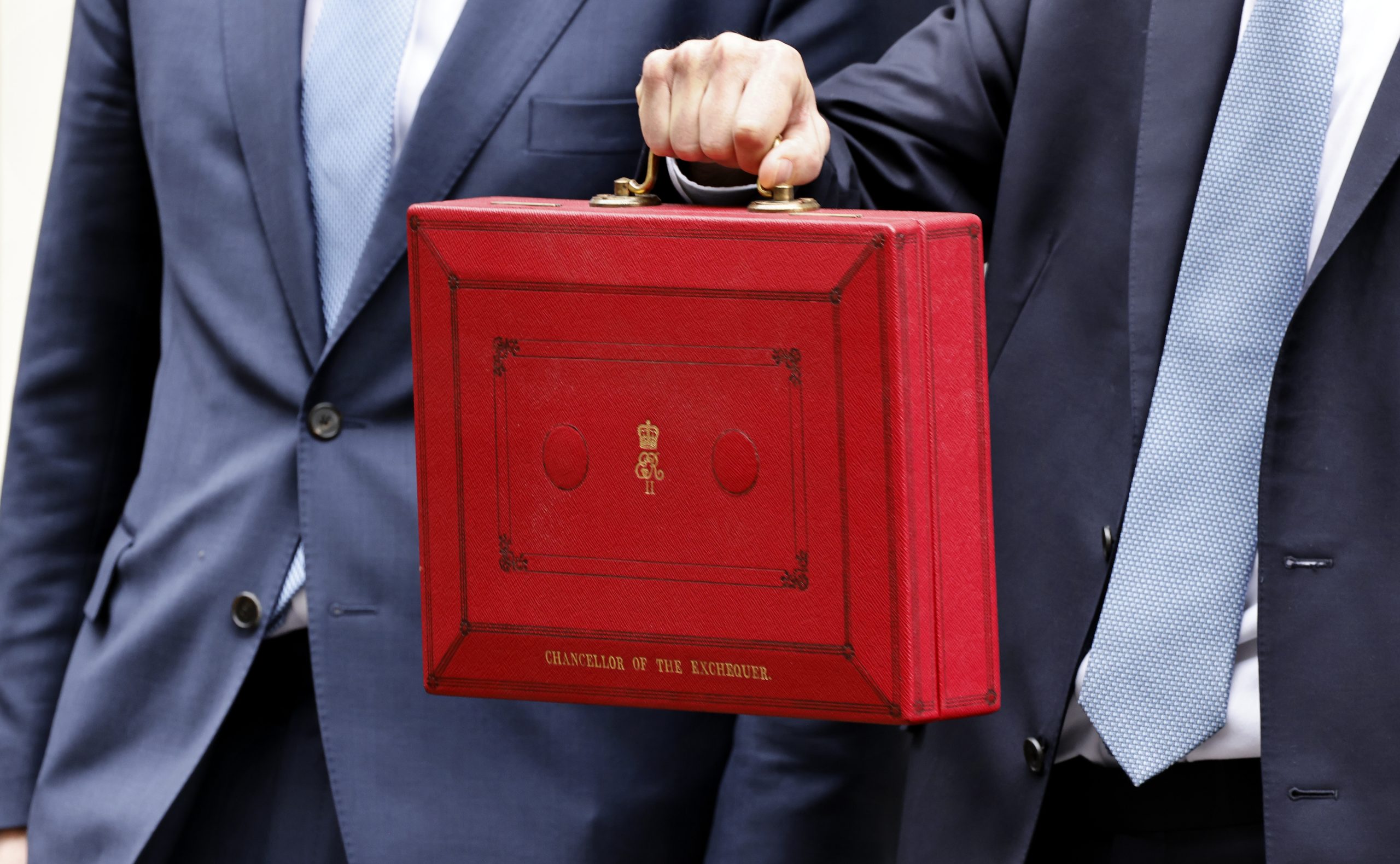
Which is why October 28 matters more than any Budget in years. His honeymoon is the cheapest mandate he will ever be offered, and it will not outlive a winter of Hormuz diesel prices and El Niño food bills. There are two Budgets he could deliver that day. One raises taxes with immediate effect: the unmandated gamble that rests on party, not the people. The other declares a direction dated beyond the Spring. That will not be a Budget, it will be page one of a manifesto, and conveniently it needs no Finance Bill fought through a dying parliament. The calendar aligns a Budget on the 28th, a dissolution in early November, and a ten-year plan put to the country in mid-December.
If that is the play, the plan he presents must be credible and comprehensive: every tax, every service, every year, priced and published before a single vote is cast. Twenty-five thousand people elected him in Makerfield; forty-eight million have yet to be asked. In Prosperity 2030 we showed such a plan can exist. Redesign public services and tax together instead of tinkering separately: one National Contribution on all incomes in place of income tax and National Insurance; one simple annual property tax, deferrable until sale, in place of Council Tax and stamp duty; universal basics, buses, energy, water, care, school meals, that cap every household’s essential costs, and arrive before the taxes do. Prosperity 2030 offers a path that raises £101 billion a year, covers the NATO uplift, and borrows nothing. It is a settlement, not a manifesto. It is proof that a ten-year plan can be put to the country, and paid for.
Burnham has begun at the front door: relief first, bus fares capped, electricity bills trimmed, trust rebuilt in small measures. Relief buys attention. But only an election buys permission, and permission is the critical supply to any ten-year plan. If the Budget dates its measures beyond the year, and the manifesto follows within the week, Britain will get something it has not been offered since 1945, a government asking openly for a new settlement instead of assuming one. If the budget offers small immediate tinkering, he will have chosen to ride out the storm in a house he holds on borrowed keys, and every crack in it will be his to answer for until 2029.